Alimenta’s nutrition awareness platform
A responsive website for a nutrition education organisation, designed to make events, speaker requests and evidence-based health information easier to find and engage with.
How do low-income families currently navigate nutritional decisions?
Research Objectives & Methods
My research was grounded in two key texts. Using books as primary research sources felt appropriate for this brief — the design challenge was rooted in a social and systemic issue rather than a specific product or interface, and the secondary literature was the most rigorous way to understand it at that depth. Both informed how I framed the problem and which archetype I chose to prioritise.
The Context
This project began with a visit to the Wellcome Collection, the gap between two artefacts (a portable DNA sequencer and a collection of family health objects) raised a question about what children inherit from the food environments they grow up in.
The Goal
The most persistent barrier wasn't the parent's behaviour, it was that children had no framework for evaluating the food they were drawn to, and the packaging worked on them precisely because nothing else had got there first. My focus was on how to intercept the influence of UPF (ultra processed foods) on children.
View Prototype

- What barriers prevent low-income families from accessing nutritious food?
- What role do children play in household food choices?
- What existing systems or touchpoints already reach these families?
- What does good nutrition communication look like for a child audience?
1
‘Ultra-Processed People’
Gathered a deep understanding of how the food industry engineers UPF consumption: the financial, social, and environmental factors that make these foods so dominant in low-income households
2
‘The Routledge International Handbook of Food Studies’
Gave a broader understanding of food accessibility, food justice, and the cultural dimensions of nutritional inequality.
Says
Thinks
- It is worth it for me to travel far, to buy expensive ingredients, which take me a lot of time to prepare, knowing that my children might refuse to eat it?
- Why don’t they teach children the effects of these harmful foods at school?
“I want to cook my children healthy meals”
“I want to buy cheaper ingredients”
“Why are large supermarkets so far away?”
“Please try this home cooked meal, it’s super healthy”
Does
Feels
Primary User Persona - Single Mother
Needs & Wants
"I wish they would understand that what they eat is harmful"
Diane, Single Mother
- Affordable, accessible ingredients
- Reassurance that her efforts are making a difference even when if children resist.
- For her children to develop their own understanding of food so that she isn't the only thing standing between them and UPF
Diane
Key Attributes
Pain Points & Frustrations
- Time-poor
- Budget-constrained
- Geographically limited
- Motivated but isolated
- Children as the primary barrier
38, Hattersley (outside Manchester)
Diane is a single mother of two living in a low-income area. She works part-time and manages the household budget. She cares deeply about what her children eat but struggles to convince them not to eat UPF.
- Whole ingredients are more expensive and less available in her local area.
- Her children are drawn to UPF packaging and resist home made meals. She has tried to explain why certain foods are better but lacks the language and resources.
Persona
Empathy Map - Single Mother
- Whole ingredients are too expensive and not accessible enough
- Feels isolated, and as if she is the only one that cares about what her children consume
- Buys UPF (ultra processed foods)
- Worries about children picking up unhealthy habits
- Tries to convince her children to eat whole foods
- Researches engaging ways to teach her kids about the effects of UPF when she has time
Emotion
Action


Her children only eat UPF, takes action before habits are irreversable
Researches which foods to feed her children
Travels far to buy those ingredients
Purchases expensive products
Prepares home cooked meals for children
Her children refuse to eat her food, and would rather stick to UPF
Urgency
Invested and hopeful
Tired, time-pressured but committed
Invests a lot of money but still committed
Hopeful and impatient
Feels isolated and hopeless
1
2
3
4
5
6
Pain points
2
3
1
Inaccessible large supermarkets
Children lack an understanding of the effects of UPF
High cost ingredients
Cost of transport and the actual products cost more than UPF
People living in ‘food deserts’ live more than a mile away from large supermarkets
Children are attracted to the marketing of UPF
Research Findings
The journey map revealed that parents who invest the most effort still lose impact at the point where it matters: the child's own understanding of food.
While it was unrealistic to solve every issue with a single solution, I focused on addressing the most pressing challenge, children’s lack of understanding of the effects of UPF
This pain point led me to think about how I might...
provide an engaging way to teach children the effect of the food they consume and foods they should be consuming.
Ideation
A consumer-facing nutrition app was the obvious solution but the wrong one. The market is saturated with tools aimed at people who are already engaged with their health. The families I was designing for are not disengaged; they are underserved by systems that weren't built with them in mind. Children already occupy schools and libraries; a solution that worked through those institutions wouldn't require any new behaviour from families at all. These are the formats that emerged:
A platform that connects educational spaces with trained nutritional speakers who deliver sessions tailored to the specific audience, funded by donations.


informational digital space to raise awareness about the health risks linked to these foods
that raises funds and donates to families in need of healthier foods
where nutritionists would give talks to specific audiences in learning institutions
Charity
Website
Talks
After conducting research, I found out that all three formats already existed, so I decided to combine them into one system.
Laying the Foundation
Impact
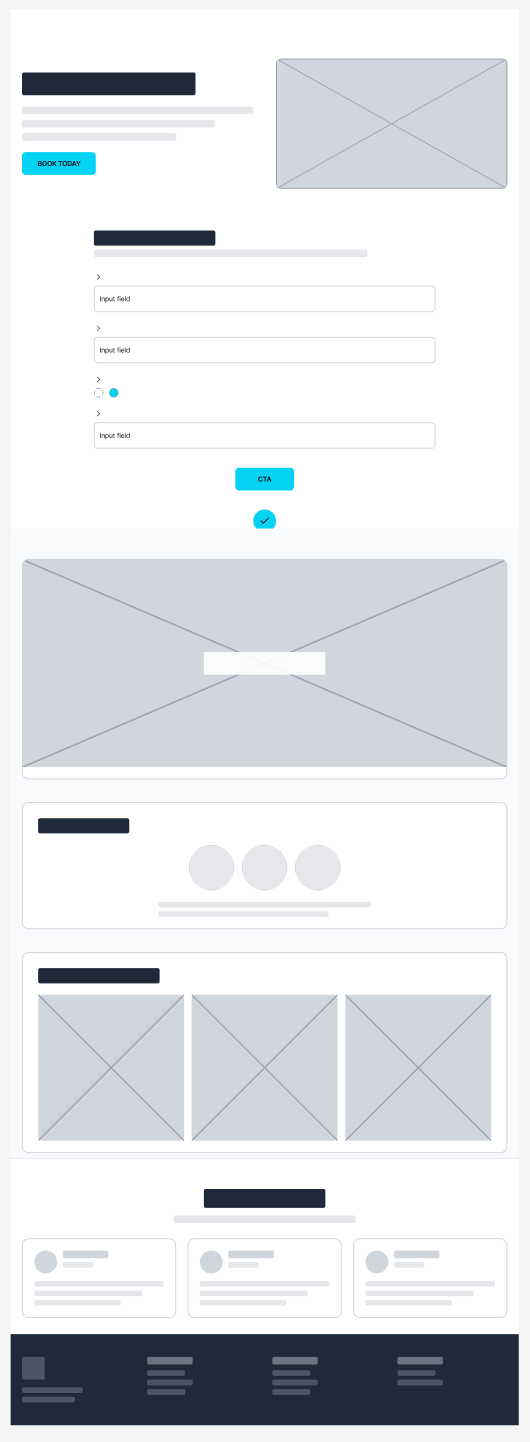
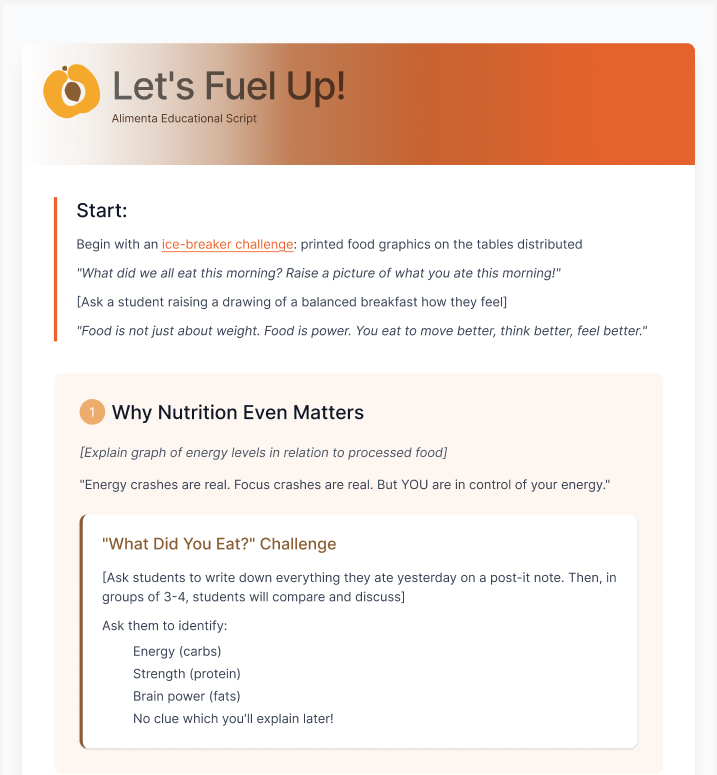
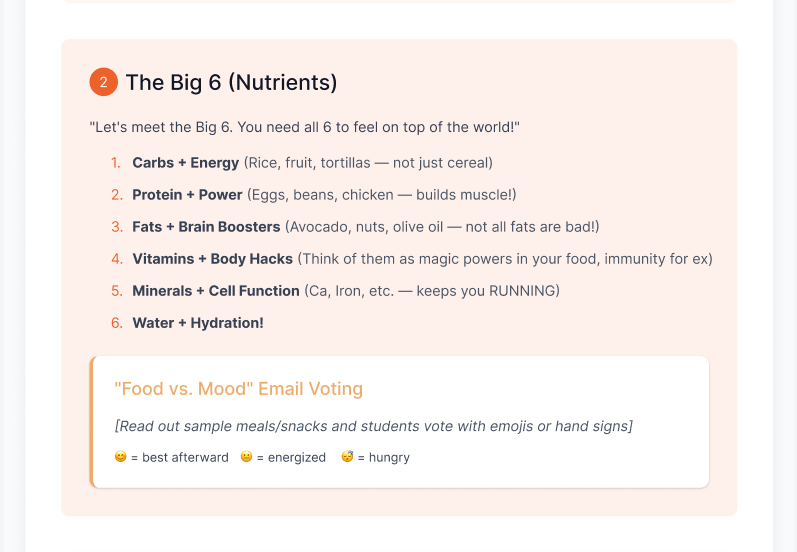
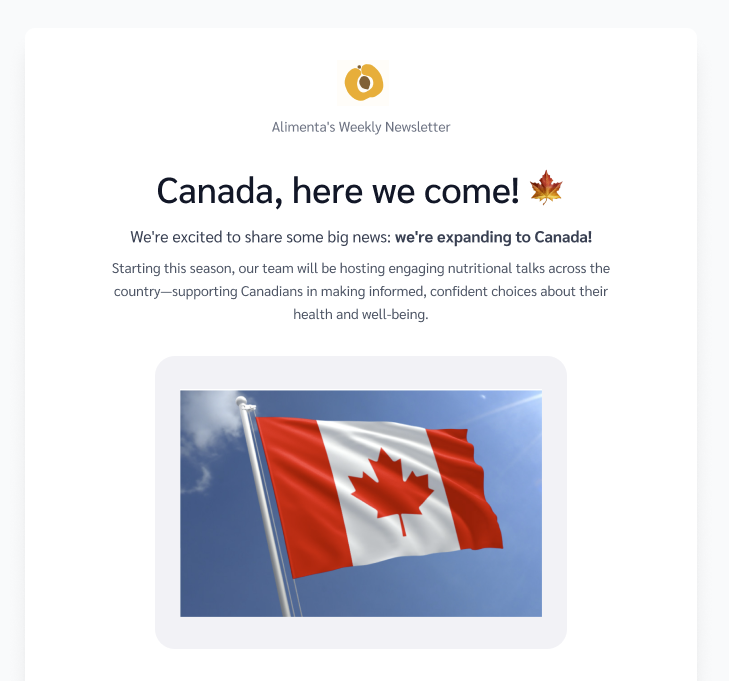
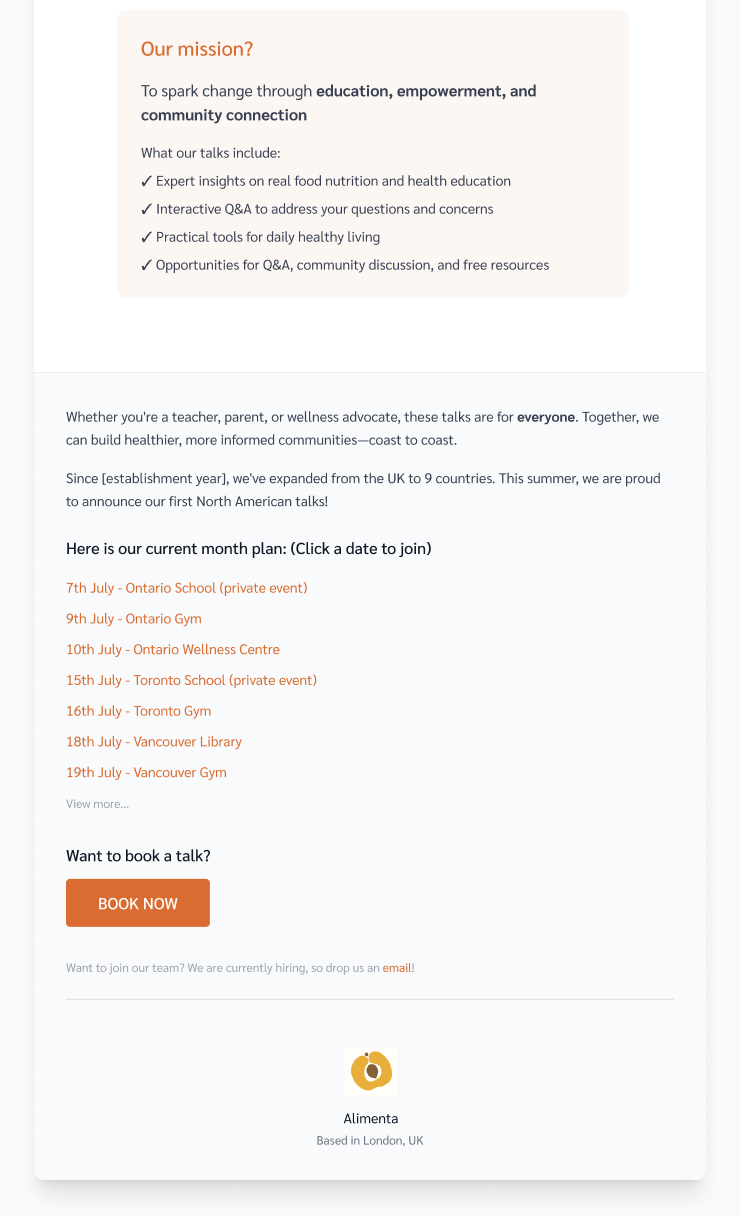
This solution includes a newsletter, for the coordinators of community spaces to receive and prompt them reach out to Alimenta, a website for them to coordinate and fill a form, nutritional talks which include a presentation deck & script).
This project received an A and the feedback highlighted the depth of the research and the professional standard of the final prototype, which was encouraging given that the brief should only be based on secondary sources and reasoning rather than primary interviews. The most useful critique was about curation: I over-documented, where restraint would have been more effective. That's something I've carried into how I present work now. If I were to take Alimenta further, I'd want to test the speaker session with a real school group to measure whether children who attended actually make different choices afterwards. That's the outcome the whole platform is built around, which I never got to verify.
Takeaways
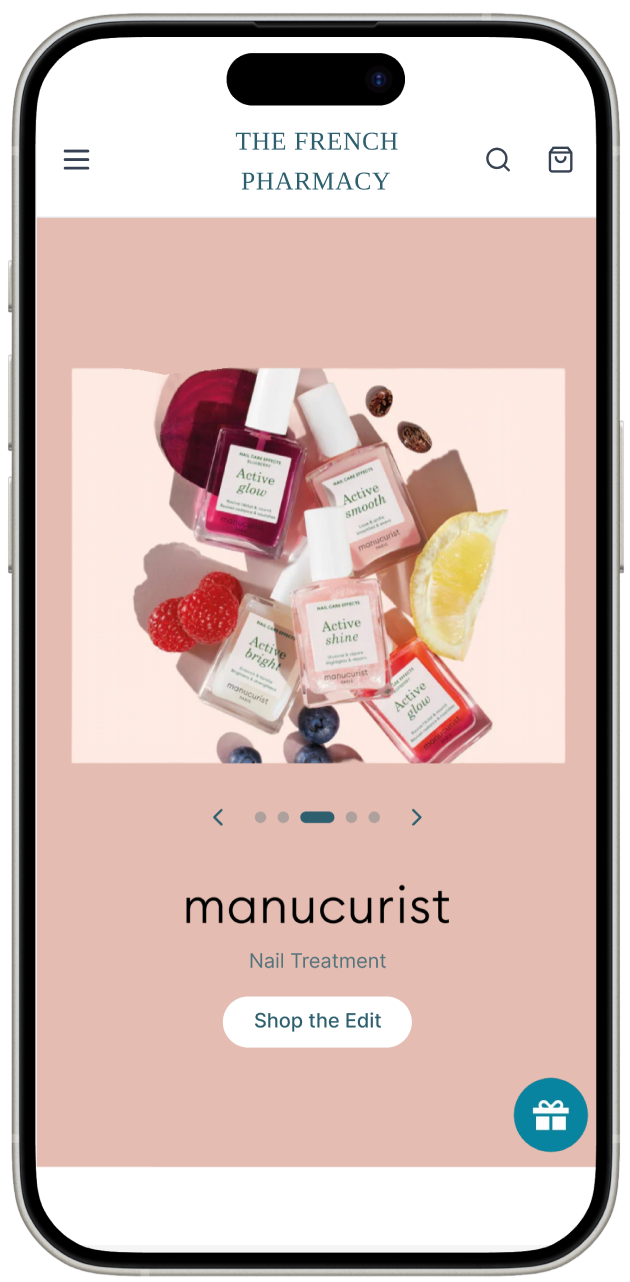
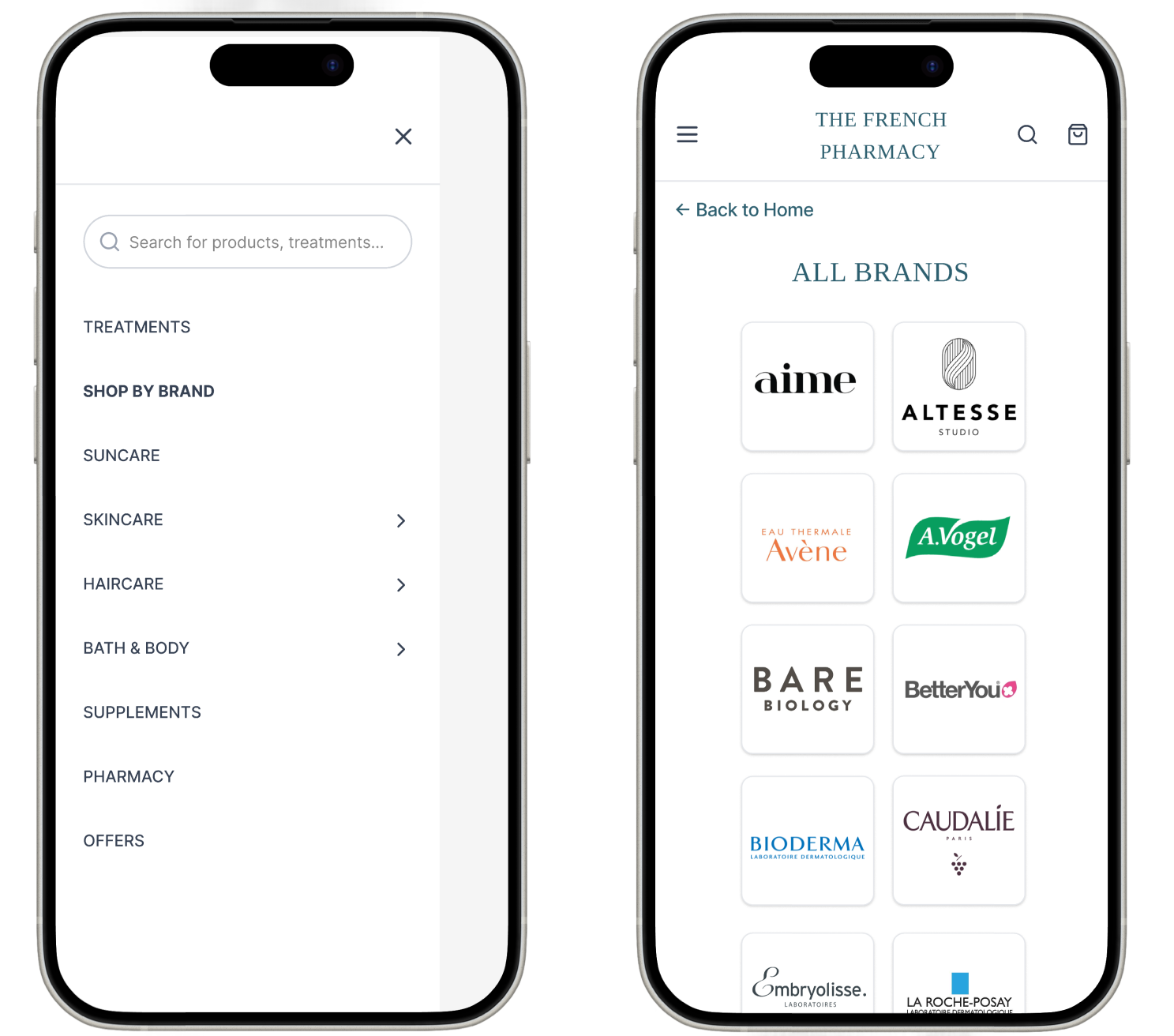
The French Pharmacy
Next Projects:



Presentation Script
Newsletter Email
Website (Form Page)
Presentation Deck
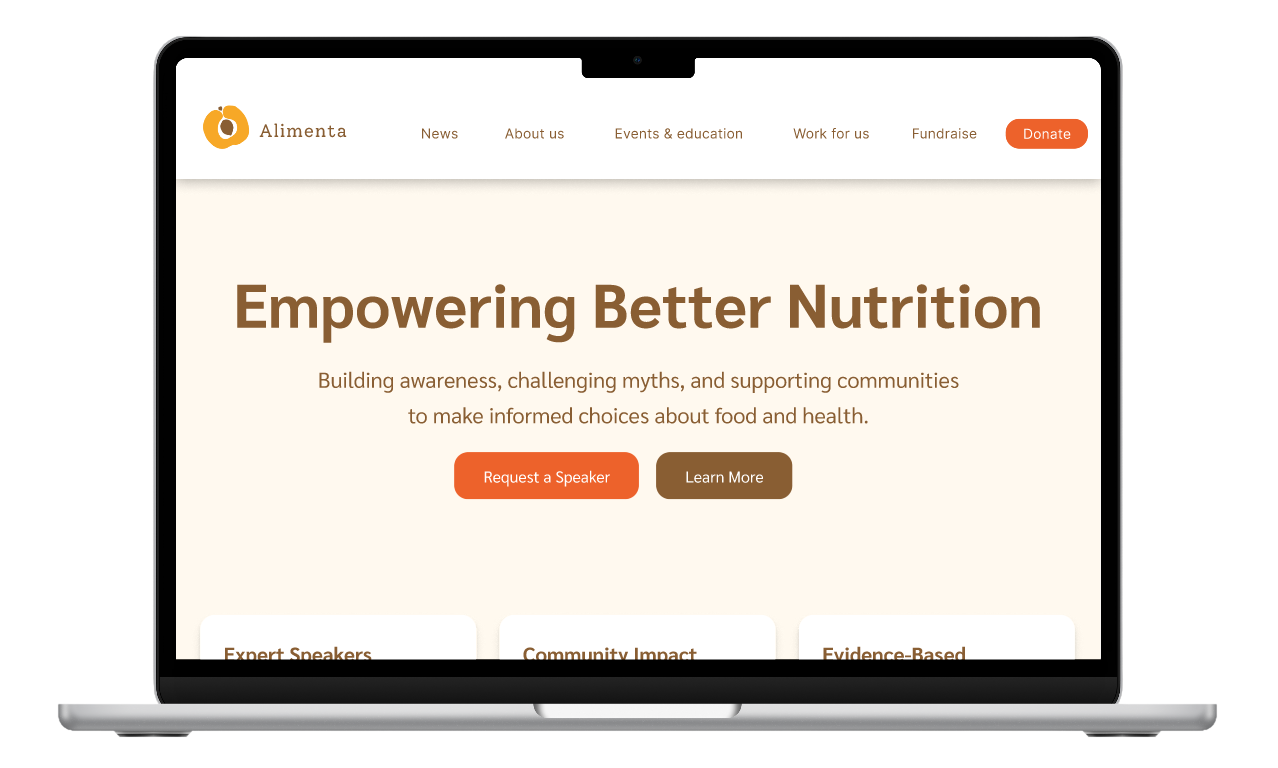
Final Website Prototype
Final Presentation Deck
Final Presentation Script
Final Newsletter
View Final Version
Action
Emotion

1
2
3
4
5
6


Unaware
Relieved
Surprised and quietly hopeful
Validated
Less isolated
Hopeful and lighter
The household dynamic around food slowly changes (not because
she did more, but because her child now understands why)

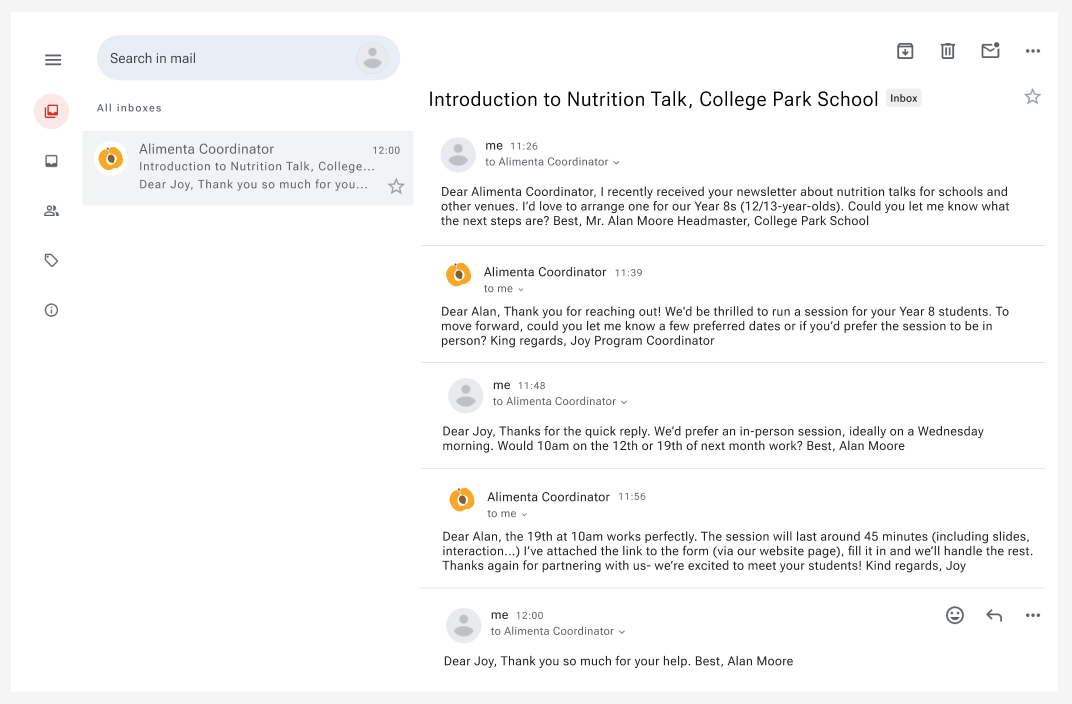
Simulated Email Exchange
A simulated coordinator exchange, used to establish the communication context before designing the booking flow.
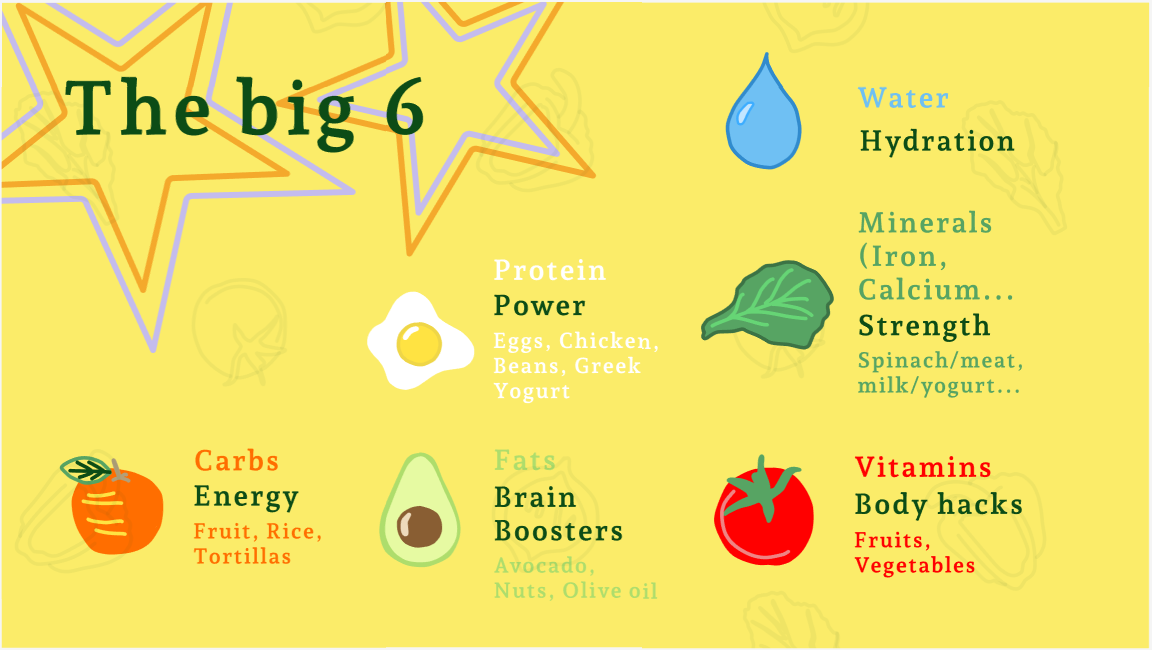
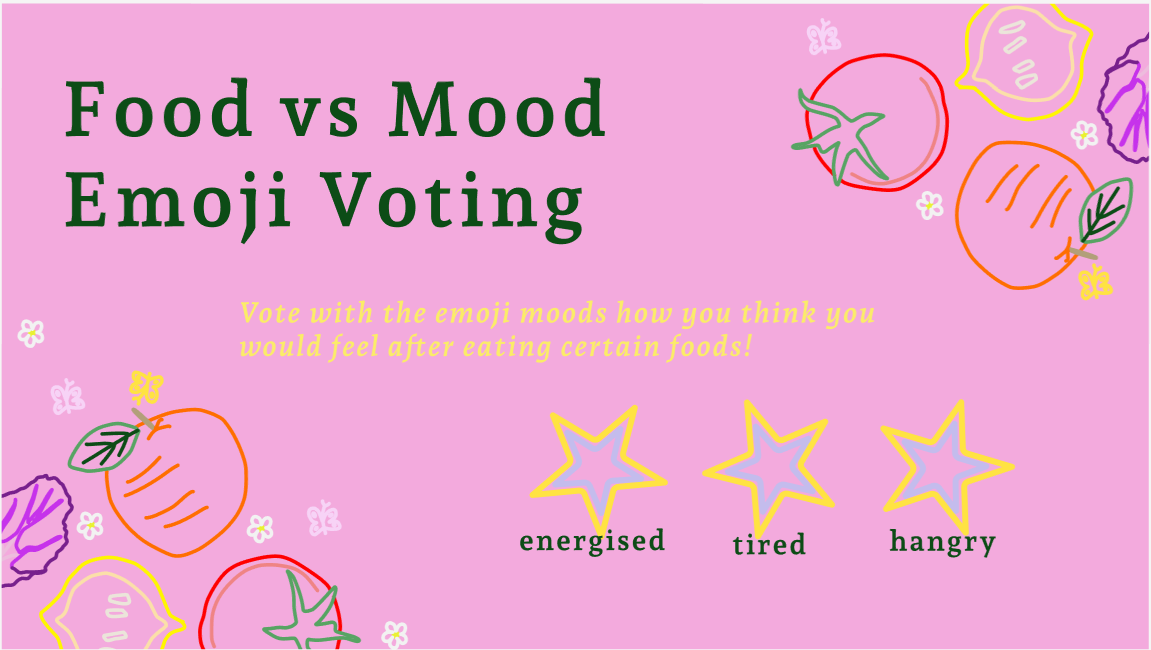
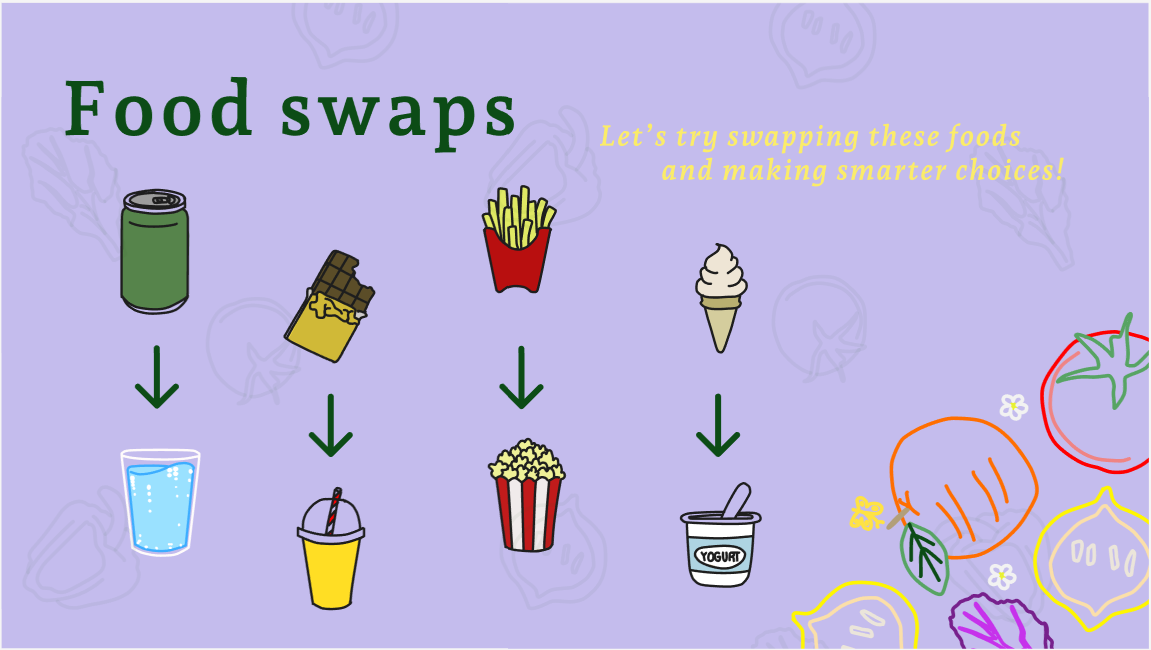
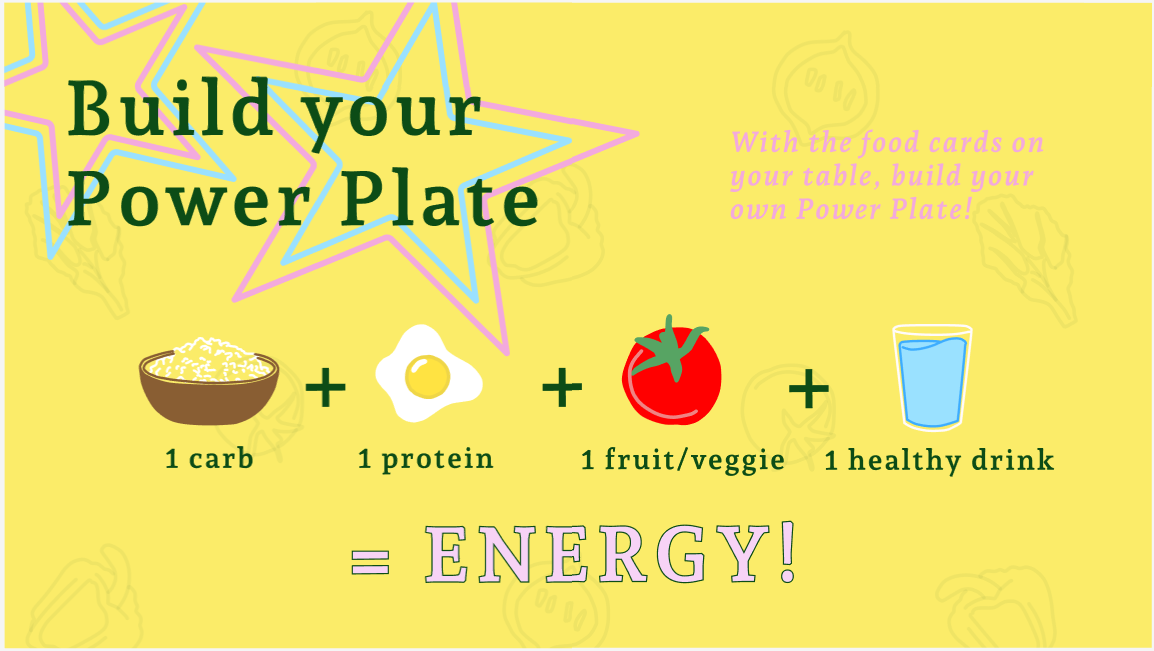
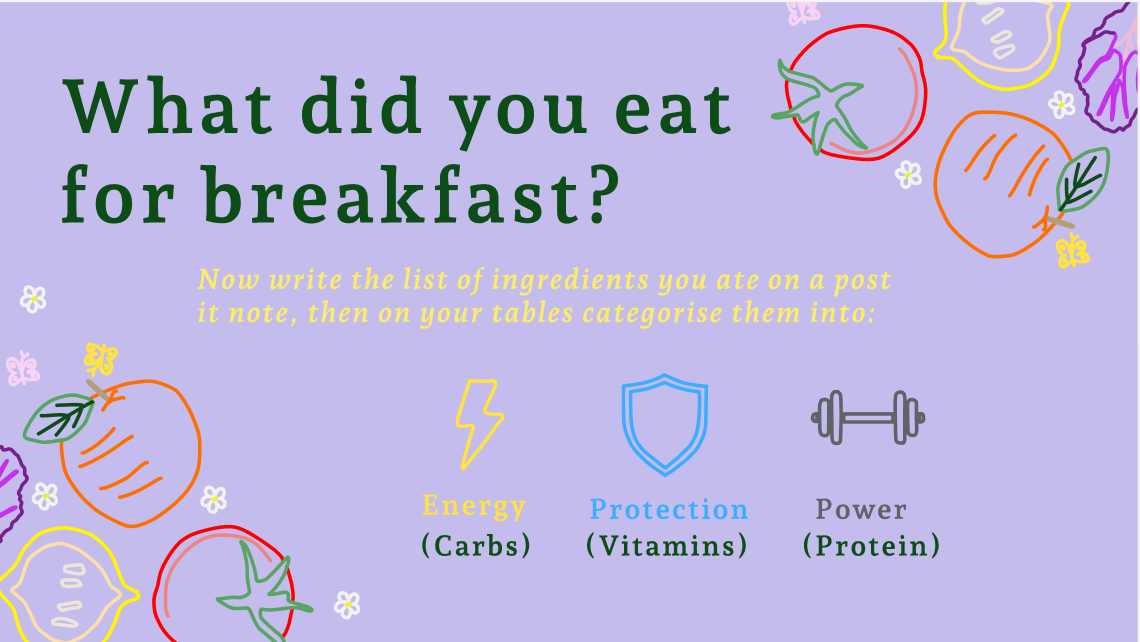
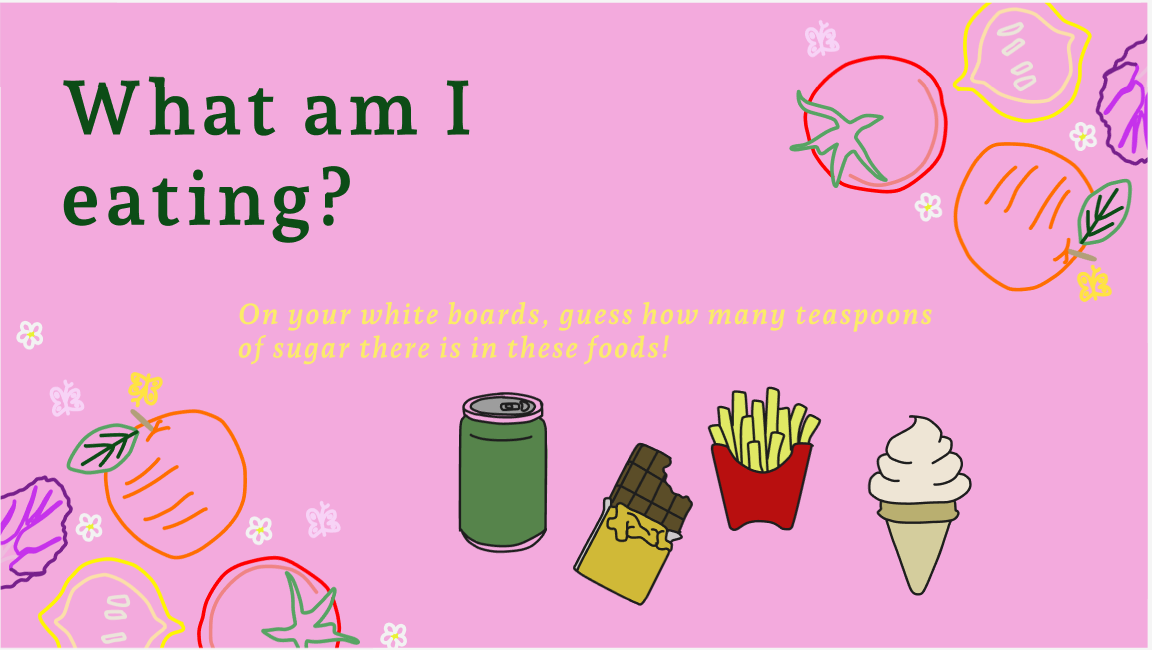
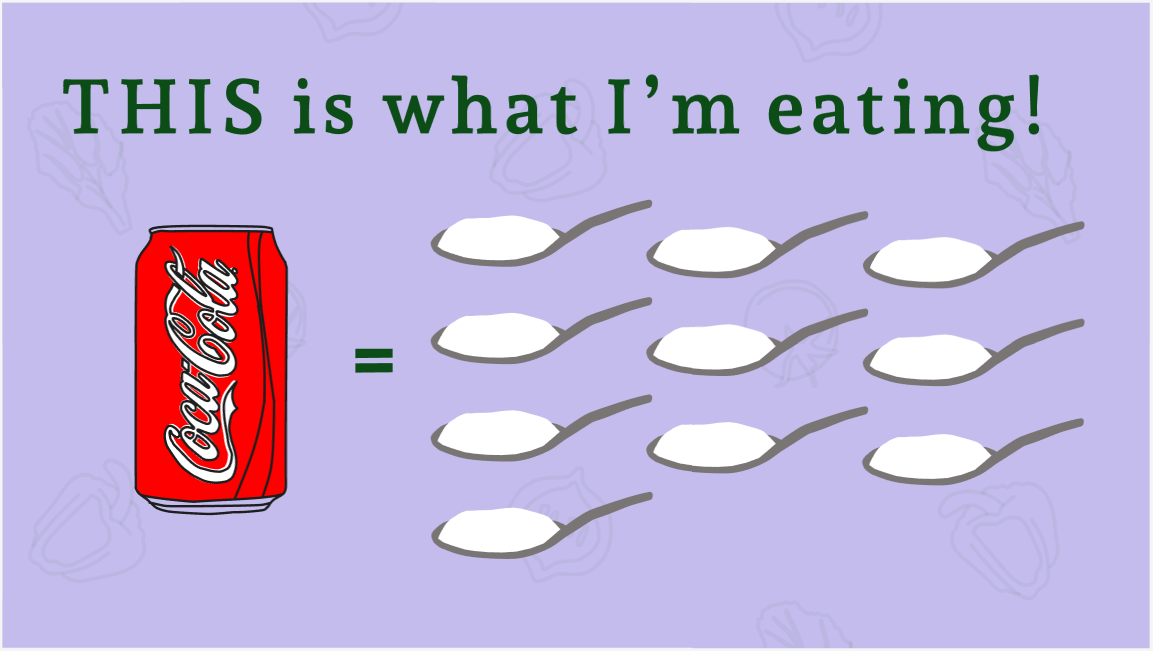
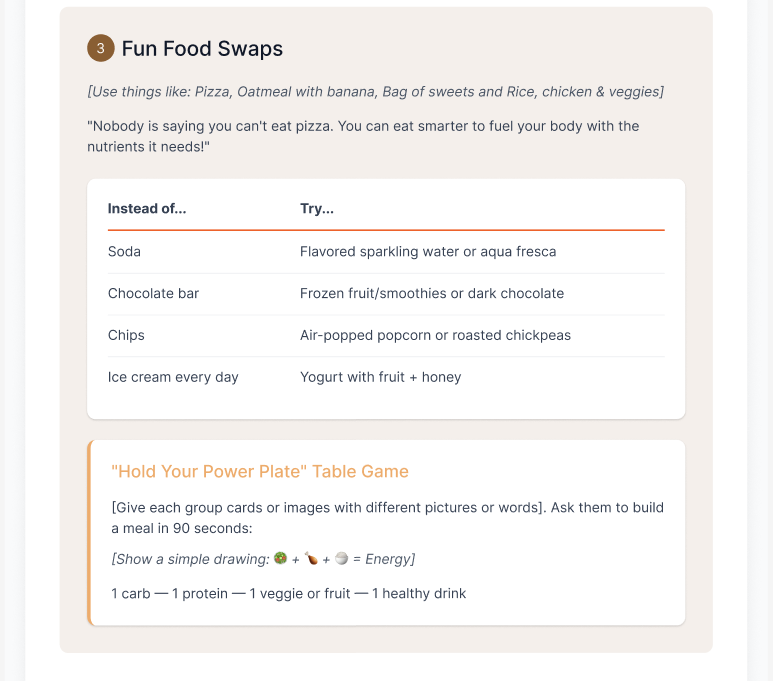
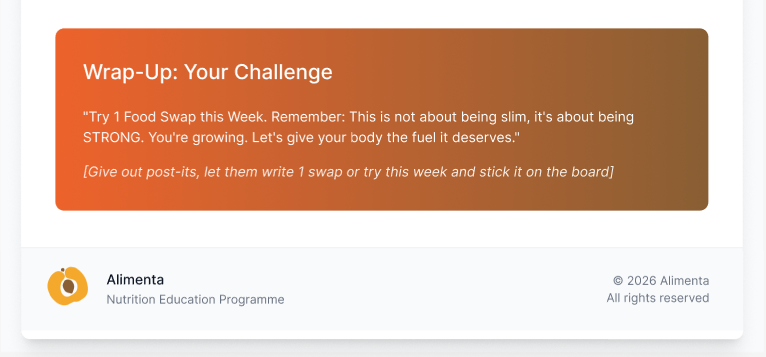
Each session is tailored to the audience demographic. The presentation was designed to be visually bold, jargon-free, and interactive, meeting children in their existing food language rather than lecturing them about it.

Academic Task · Responsive web design · Social impact · Health information · Visual identity

Zebra’s Abandoned Cart Recovery
School coordinator discovers Alimenta and books nutritional
speaker session
Speaker delivers a tailored session to her child's class
Her child comes home and talks about what they learned
(sugar in Coca-Cola, building a power plate)
Her child begins to make small different choices
(asking questions about food rather than resisting it)
She notices the shift and feels less alone in trying to
change their habits