Zebra's Abandoned Cart Recovery
A mobile tool that helps grocery store associates identify, prioritise, and recover abandoned smart carts in order to reduce spoilage and improving operational efficiency.
How do associates currently manage abandoned carts?
As a take-home task, formal research wasn't possible, so every decision was grounded in a close analysis of the associate's existing workflow, identifying where uncertainty and lack of information created the most friction.
If I could have taken it further, I would have:
The Company
Zebra Technologies specialises in enterprise-level hardware and software solutions designed. Zebra's devices are used by store associates to manage tasks, process deliveries, and navigate fast-paced store environments.
The Goal
Smart carts track activity and item contents, but when abandoned mid-shop they leave temperature-sensitive products at risk and create an unmanaged recovery task for associates already balancing multiple responsibilities.
View Prototype
Research Objectives

- What makes cart abandonment difficult to detect with certainty?
- What emotional and cognitive load does the current recovery process place on associates?
- What information, if surfaced at the right moment, would most reduce uncertainty and decision-making time?
- How does cart recovery compete with an associate's other responsibilities, and how should it be prioritised relative to them?
1
Shadowing
Observe how cart recovery actually interrupts their existing task flow in real time
2
Interviewing
Conducted interviews with both associates to understand how recovery tasks are currently communicated and prioritised

- Clear urgency & priority information
- Accurate cart content & location
- Fast, reliable navigation to items
- Easy way/fewer steps to complete task
- Recognition for completed work
Needs & Wants
- Unclear if cart is abandoned
- Too many tasks, hard to prioritise
- Wasting time walking around store
- Time pressure from other order deadlines and avoid food spoilage
Pain Points & Frustrations
"I just want the info I need, quickly, so I can complete all my tasks efficiently and so no food goes to waste".
Chloe Morgan, Online Picker
26, London, UK, Online Picker
Physically picks up products for online order's around the store for customer deliveries, across ambient, chilled & frozen.
Chloe Morgan
Key Attributes
- Speed & efficiency
- Team Player
- Customer Minded
Persona
Primary User Persona - Supermarket Associate
- Navigational Savvy
Emotion
Action
Step


Notice abandoned cart
Inspect cart
Decide to return items
Return items
Handle perishables
Confirm recovery
Looks around for the customer
Looks in cart, identifies perishables manually
Takes cart, starts restocking
Sorts items manually, returns one by one
Tries to prioritise frozen/chilled items
Returns to previous task
Uncertain
Mildly stressed
Overwhelmed
Tired, unsure, time-pressured
Urgent
Relieved but unrewarded
1
2
3
4
5
6
Research Findings
Mapping the associate's existing experience revealed a process driven by uncertainty, stress, and manual effort at every step.
No prioritisation system
No visibility on cart status
No information on how long items had been in the cart or which were temperature-sensitive.
No way to confirm if a cart is truly abandoned or customer stepped away temporarily.
No data, leading to delayed recovery and inconsistent outcomes.
These pain points led me to think about how I might...
1
Pain points
2
3
Uncertainty around abandonment
remove uncertainty around abandonment, give visibility cart status and help prioritise tasks
Return items
Frozen & chilled items are returned first.
Complete task
Task is marked as complete and logged.
Navigate to cart
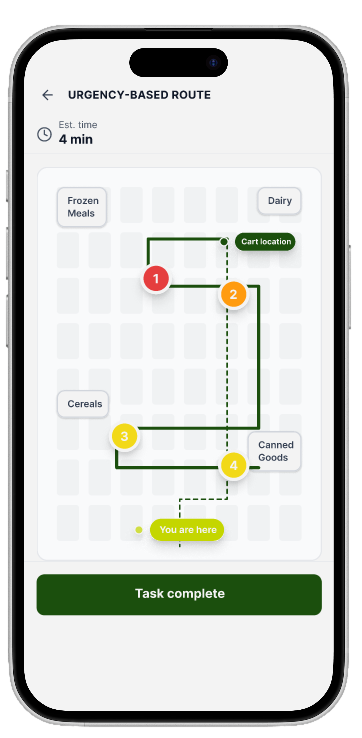
In-app navigation guides associate to the cart.
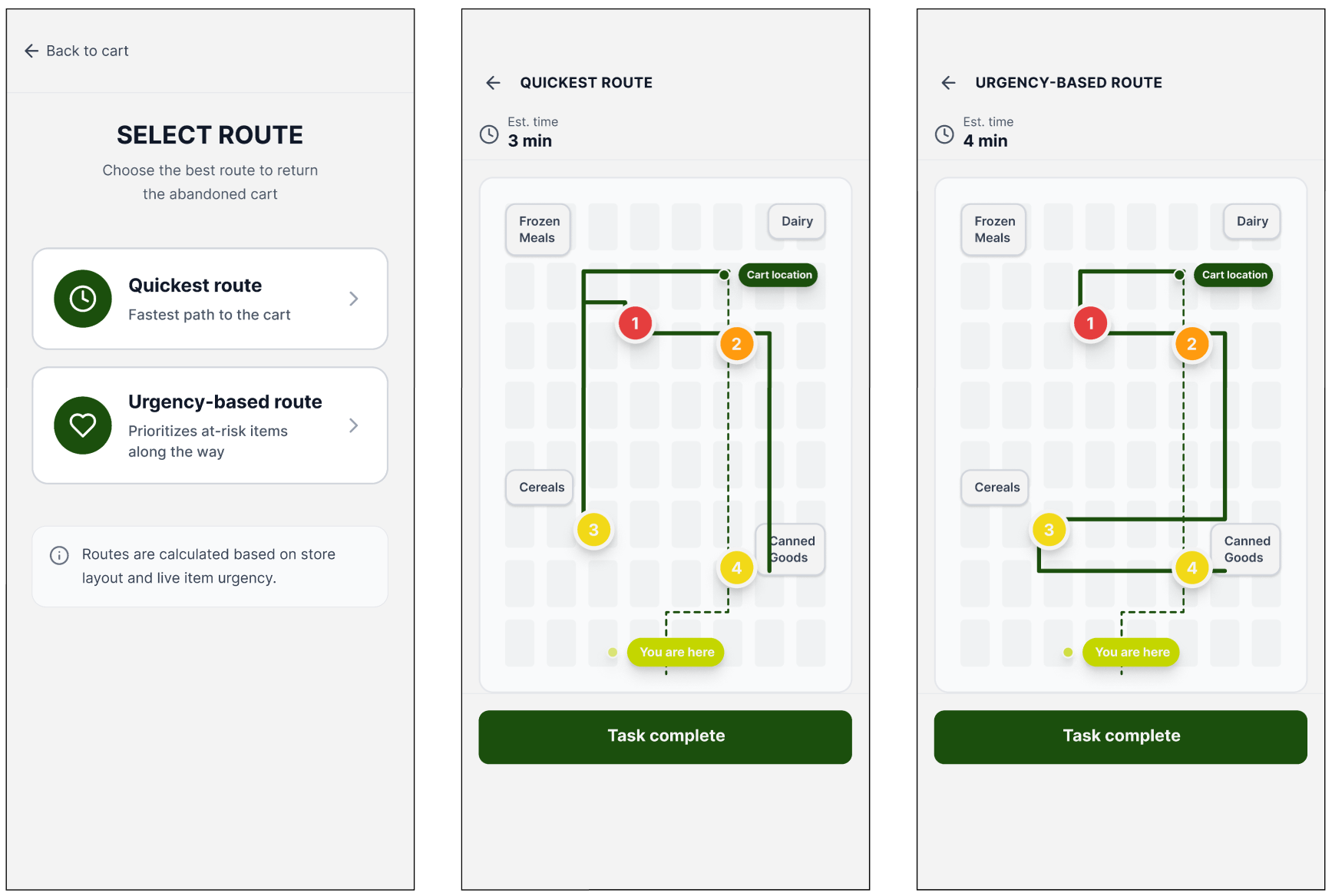
Choose route
Quickest route or urgency-based route.
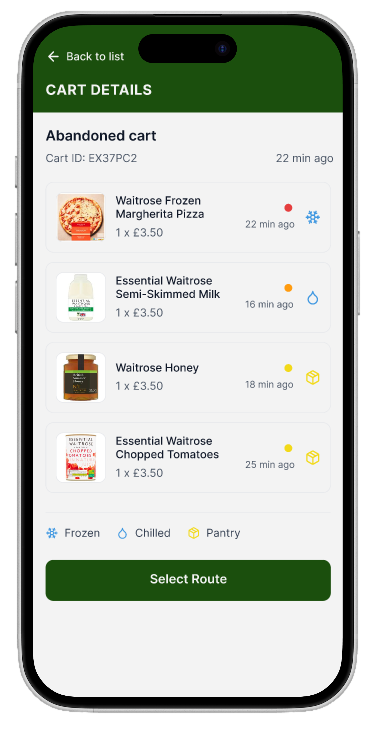
Review cart
Associate checks contents, timestamps and urgency.
Task prioritised
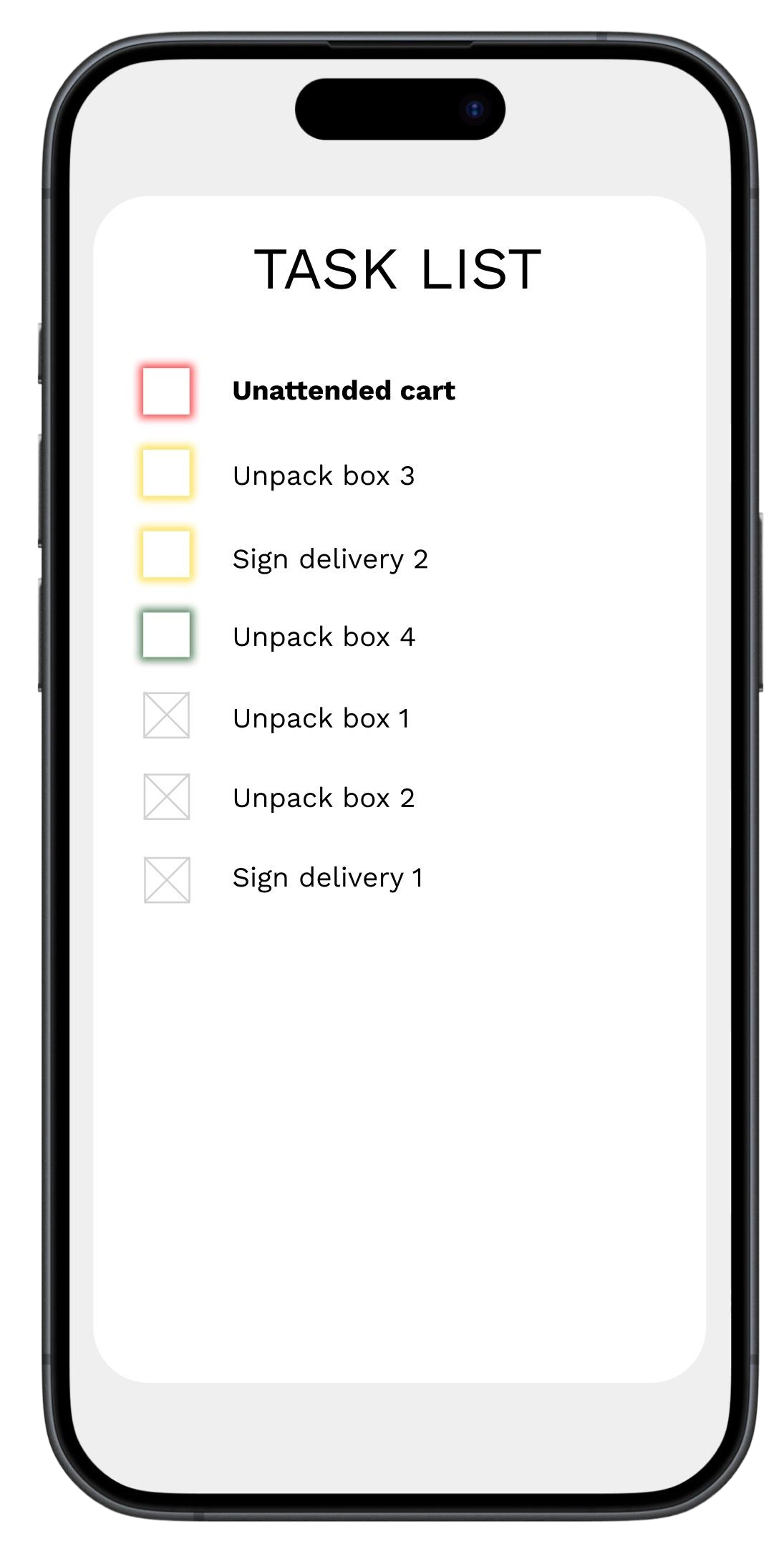
Abandoned cart moves to the top of the queue.
Associate alerted
Urgent notiofication appears in the task list.
Cart abandoned
Cart detects inactivity triggering alert on associate’s app.

1
2
3
4
5
6
7
8


Ideation
A mobile app for store associates that automates detection, prioritisation, and navigation.
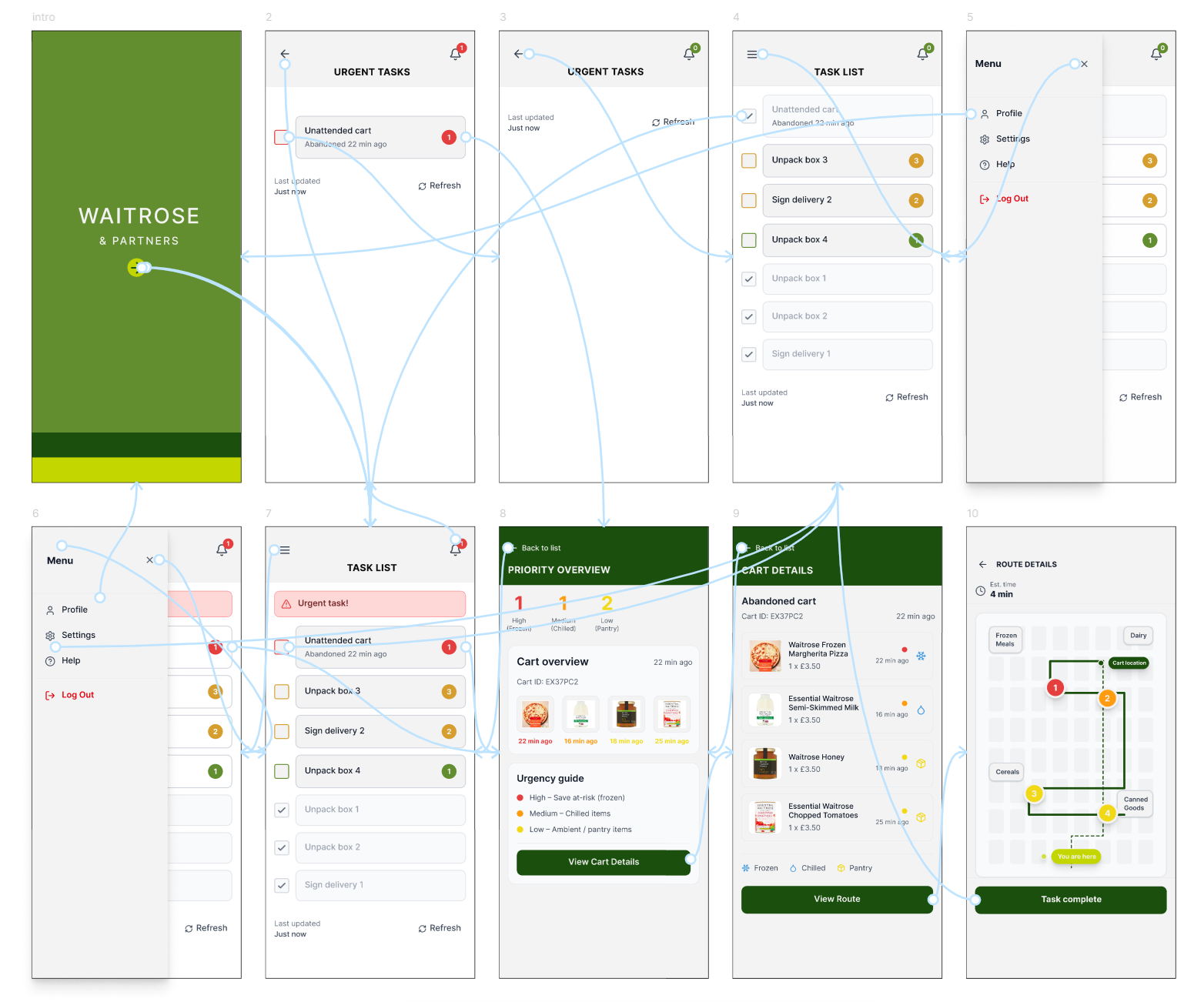
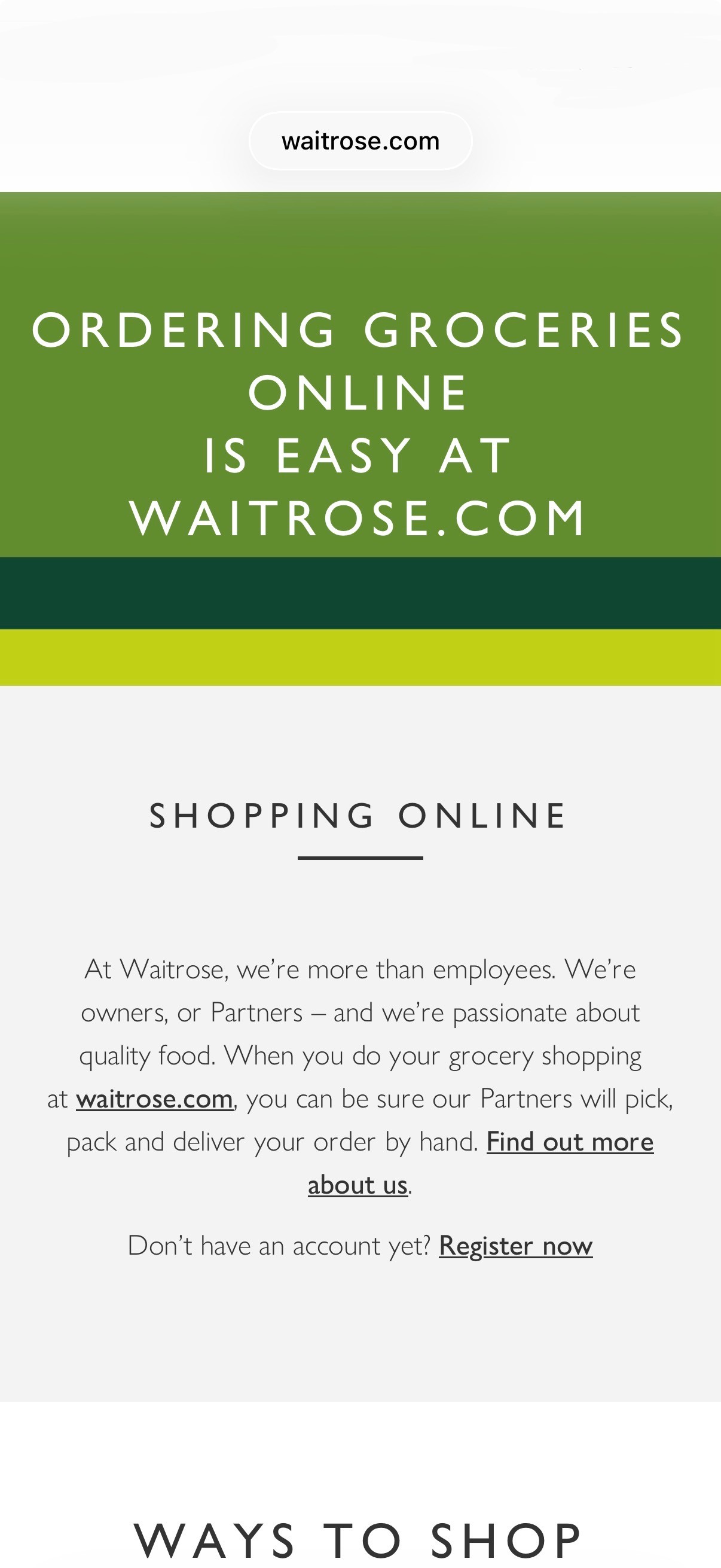

I used Waitrose as my prototype brand example: as a higher-end supermarket, it's the kind of retailer more likely to invest in improving the associate experience alongside the customer one.


#628D2E
#F3F3F3
#1B4F0D
#C4D600

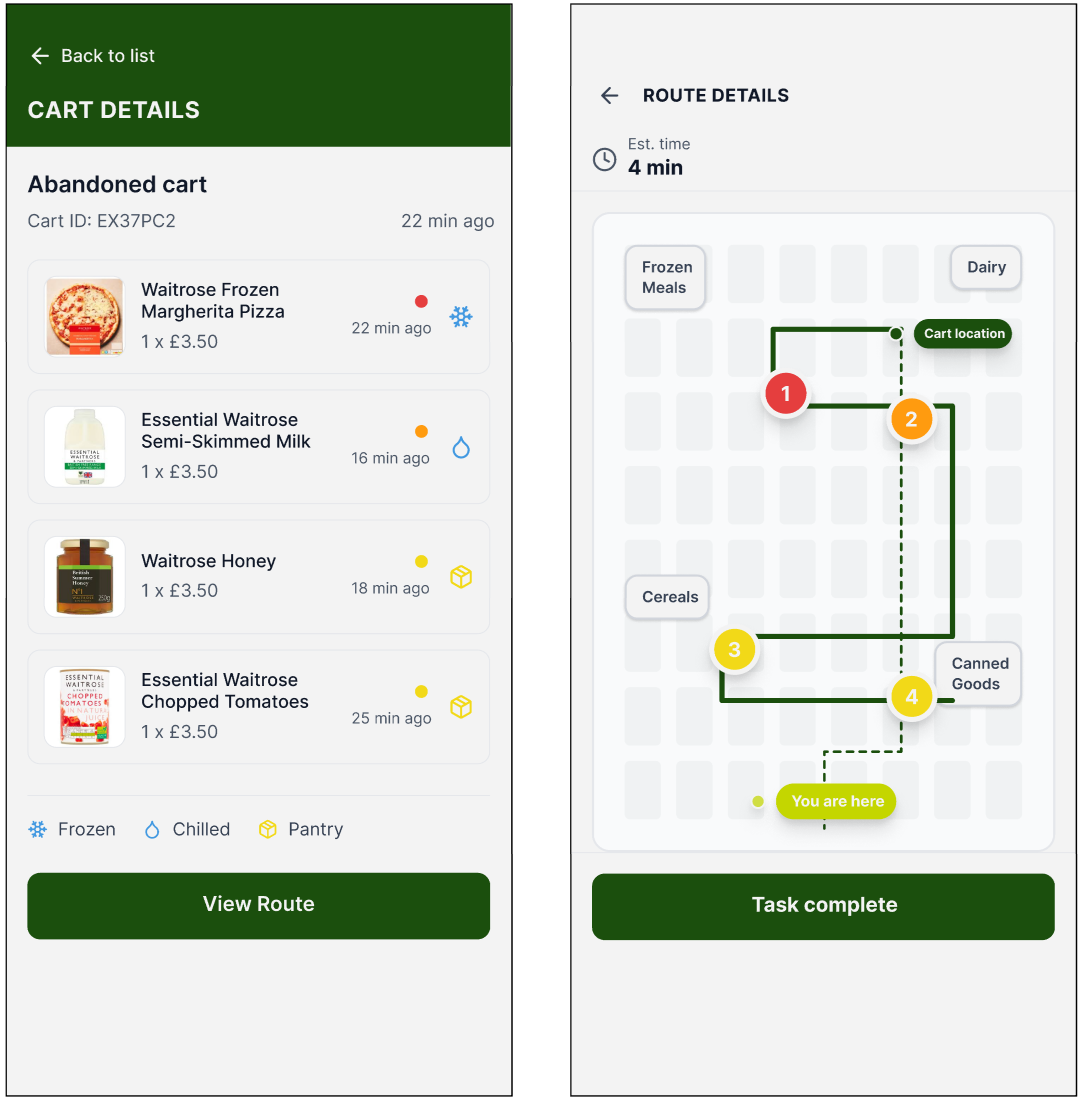


Laying the Foundation
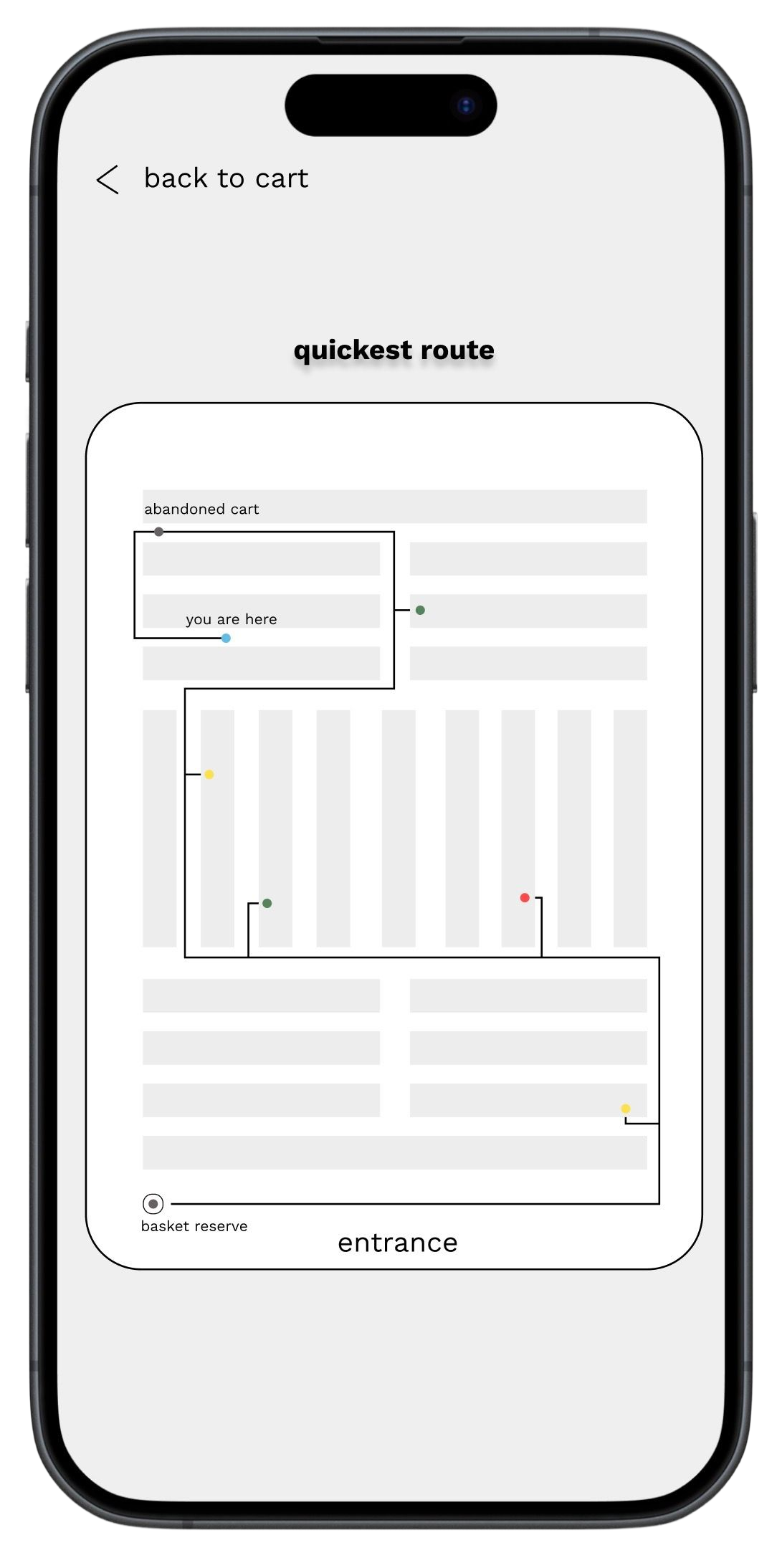
Initial skteches on building out an easy to navigate UI that would narrow in on a few key opportunities:
↓ decision time
↑ task efficiency & response time
↓ walking time & mental effort.
↑ overall store productivity.
Interface Decision-Making
The app borrows Waitrose's colour palette subtly, while maintaining a more functional feel to the app than the customer facing app’s aesthetic feel.
Iterations
In my first iteration, the default route prioritised urgent items but this meant more walking and more effort, and didn't account for carts with no time-sensitive products at all. I introduced a second option: a quickest route, giving associates a choice based on what the cart actually contains.
Before:
After:
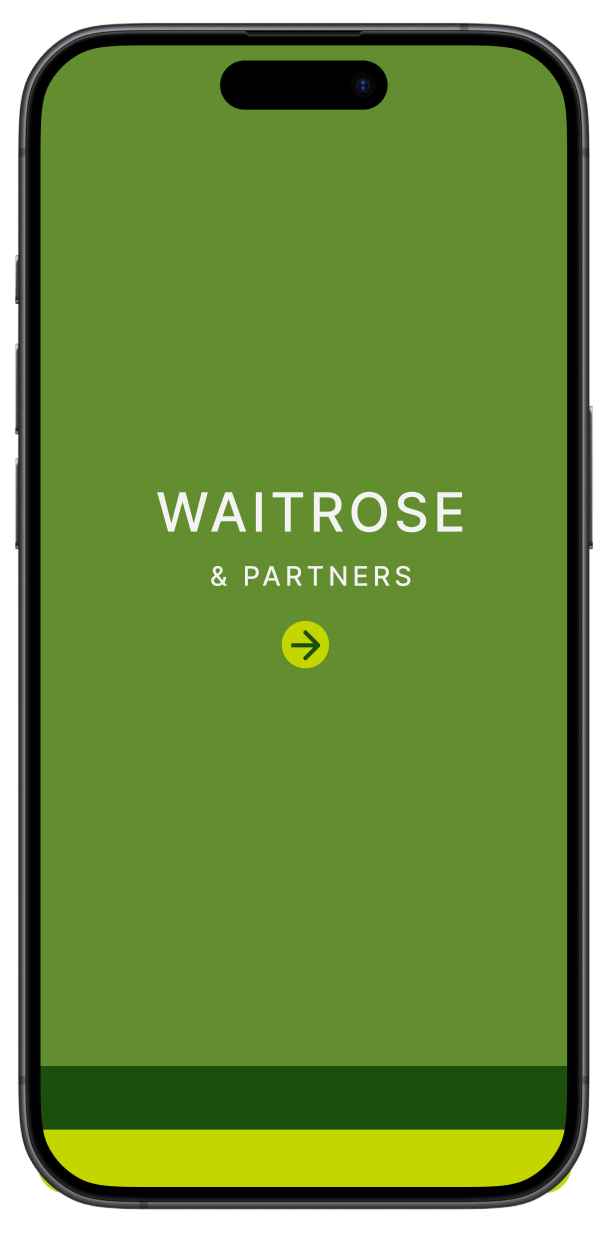
View Final Version
Takeaways
Working within the constraints of a take-home task pushed me to be more deliberate than I might have been with unlimited time and access. Every decision had to be grounded in what the workflow itself was telling me, which made the before-state journey map more valuable than I initially expected. This case study reinforced the importance of clarity and prioritisation when designing for fast-paced, high-pressure workflows. If I were to take this further, I would want to explore a manager dashboard showing real-time recovery progress across the whole floor would also add a layer of operational visibility the current solution doesn't address.
Final Prototype
The French Pharmacy
Next Projects:
Alimenta
Step
Action
Emotion


1
2
3
4
5
6


Customer taps 'Abandon' button - system flags instantly
Timer + temperature thresholds auto-trigger alert
Cart appears at top of task list with urgency level
Associate views urgency map before moving
Navigation routes associates to cart and through restock
Associate marks done; manager sees record
Cart marked abandoned
Inactivity detected
Task in priority list
Cart contents reviewed
Guided item recovery
Task completed & logged
Clear signal
Informed
Organised
Confident
Efficient
Satisfied
↓ Cart recovery Time
↓ Cart recovery Time
↓ Cognitive Load
↑ Employee Productivity
↑ Employee Productivity
↑ Operational Visibility ↓ Food Waste
Impact
Impact

Professional Take Home Task · Service design · Associate tool · Mobile app · Route prioritisation
The brief specified a mobile app, which shaped the solution toward function over form. My aim was therefore to create a...
